
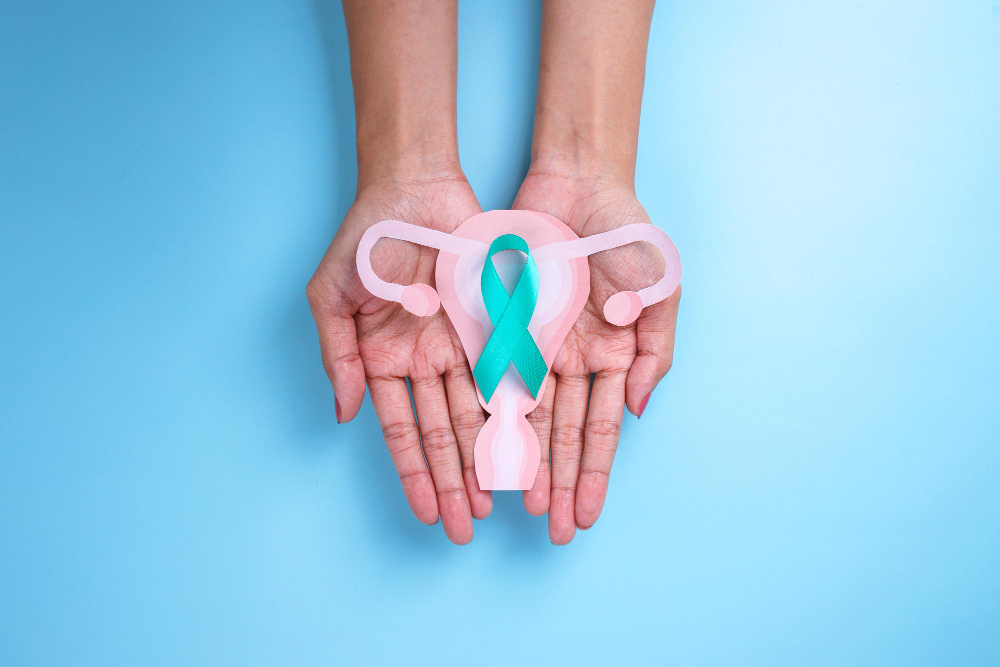
What Is Vulval Cancer?
Vulval cancer is a rare type of cancer that starts in the vulva. The vulva is the outer part of the female genitals. Although vulval cancer is not common, it is important to know about it. Early detection can make treatment easier and more effective. According to the World Health Organization, vulval cancer affects women of all ages, but it is more common in older women. Because it can be mistaken for other skin problems, knowing the signs is very helpful. Vulval cancer can be treated, especially if found early.
Common Symptoms of Vulval Cancer
It is important to notice any changes in the vulva. Early symptoms may be mild, but they should not be ignored. For example, you might see or feel:
Sometimes, these symptoms can be caused by other conditions. However, if they last more than a few weeks, you should see a doctor. Early action can help with vulval cancer diagnosis and treatment.
Causes and Risk Factors
Doctors do not always know what causes vulval cancer. Still, some factors can increase your risk. For instance, you may be at higher risk if you:
Additionally, having a family history of cancer may raise your risk. But even if you have these risk factors, it does not mean you will get vulval cancer. Staying aware of changes in your body is always wise.
How Vulval Cancer Is Diagnosed
Doctors use several steps to diagnose vulval cancer. First, they will ask about your symptoms and medical history. Next, they will do a physical exam of the vulva. If they see anything unusual, they may take a small sample of tissue. This is called a biopsy. The biopsy helps confirm if cancer cells are present. In some cases, doctors may order more tests, such as scans, to see if the cancer has spread. Early vulval cancer diagnosis can lead to better outcomes.
Treatment Options for Vulval Cancer
Treatment for vulval cancer depends on the stage and type of cancer. Your doctor will discuss the best plan for you. Common vulval cancer treatment options include:
Sometimes, doctors use a mix of these treatments. Most women recover well if the cancer is found early. However, treatment can cause side effects, so regular follow-up is important.
Prevention and Lifestyle Tips
While you cannot prevent all cases of vulval cancer, you can lower your risk. For example, you can:
Additionally, getting the HPV vaccine can help protect against some types of HPV linked to vulval cancer.
When to See a Doctor
If you notice any unusual changes in your vulva, do not wait. For example, if you have itching, pain, lumps, or sores that do not heal, see a healthcare provider. Early vulval cancer diagnosis can make treatment easier and more successful. Even if your symptoms are mild, it is better to be safe and get checked.
In summary, knowing the signs and risk factors for vulval cancer can help you stay healthy. If you have concerns, consult Dr. Rashmi Pradhan for personalized advice about vulval cancer.