
Introduction
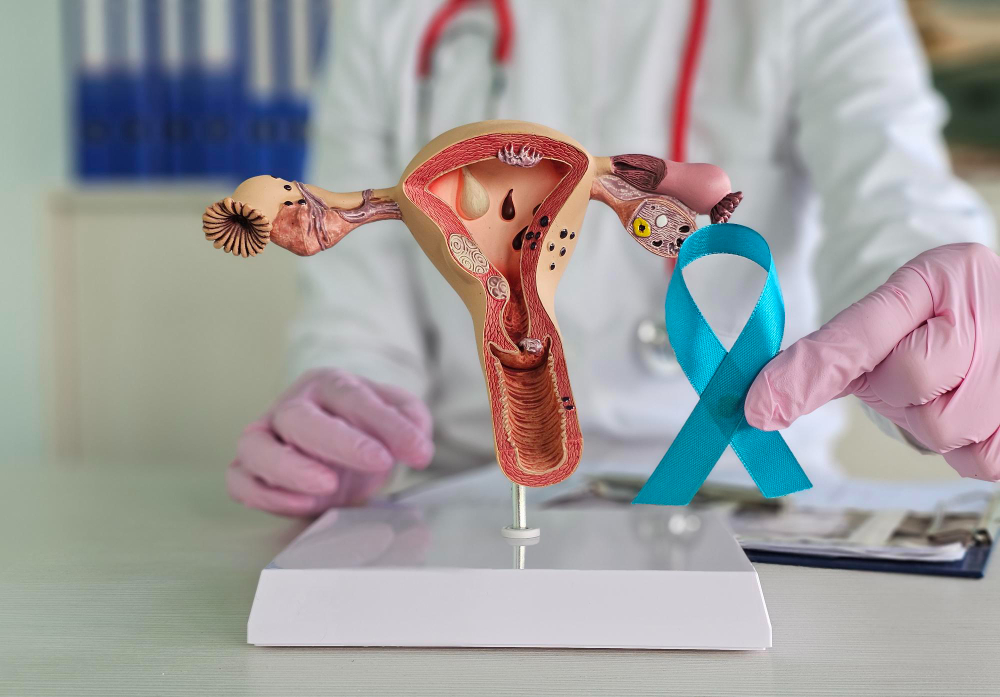
Fallopian Tube Cancer is a rare type of cancer that starts in the fallopian tubes. These tubes connect the ovaries to the uterus. Although it is uncommon, this cancer can affect women of any age. However, most cases happen in women between 50 and 60 years old. Early detection is important because it can improve treatment outcomes. In the United States, fallopian tube cancer is less common than ovarian cancer, but it is just as serious. Knowing the symptoms and risk factors can help you seek care sooner.
Symptoms
Often, fallopian tube cancer symptoms are mild at first. Because of this, many women do not notice them right away. Still, some signs may appear early. For example, you might notice:
Sometimes, these symptoms can be caused by other conditions. However, it is important to talk to your doctor if you notice any changes. Early signs of fallopian tube cancer can be easy to miss, so regular check-ups are helpful.
Causes and Risk Factors
Doctors do not know the exact cause of fallopian tube cancer. Even so, some factors can increase your risk. For instance, you may be at higher risk if you:
On the other hand, using birth control pills for several years may lower your risk. Still, no single factor causes this cancer. Therefore, it is important to know your family history and talk with your doctor about your risk.
Diagnosis
Doctors use several tests to find out if you have fallopian tube cancer. First, they will ask about your symptoms and medical history. Next, they may do a pelvic exam to check for lumps or swelling. If needed, your doctor may order:
Because early signs of fallopian tube cancer can be hard to spot, these tests help doctors make a clear diagnosis. If you wonder how fallopian tube cancer is diagnosed, these are the main steps.
Treatment Options
Treatment for fallopian tube cancer depends on the stage and your overall health. Usually, doctors use a mix of treatments. Common options include:
Sometimes, doctors may suggest targeted therapy or clinical trials. Your care team will explain the best plan for you. Early treatment often leads to better results.
Prevention and Lifestyle Guidance
While you cannot always prevent fallopian tube cancer, some steps may help lower your risk. For example:
Even though these steps do not guarantee prevention, they support your overall health. Regular check-ups can also help catch problems early.
When to See a Doctor
If you notice any unusual symptoms, such as pelvic pain or abnormal bleeding, see your doctor soon. Additionally, if you have a family history of cancer, ask about your risk. Early signs of fallopian tube cancer can be subtle, so regular visits are important. Do not wait if you feel something is wrong. Your doctor can guide you on the next steps.
Conclusion
Fallopian tube cancer is rare but serious. However, knowing the symptoms and risk factors can help you act early. If you have concerns or notice changes in your health, consult a specialist Dr. Rashmi Pradhan for personalized guidance.