
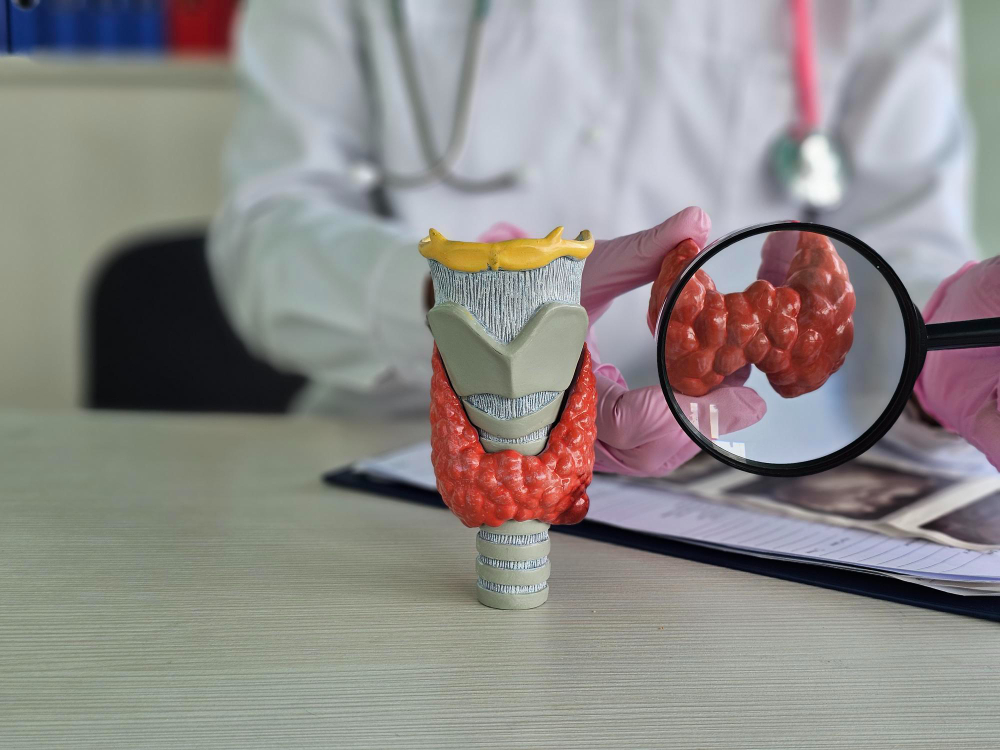
Introduction: Understanding Thyroid Cancer
Thyroid cancer is a disease that starts in the thyroid gland. The thyroid is a small, butterfly-shaped gland in the front of your neck. It helps control your body’s energy and metabolism. Although thyroid cancer is not as common as some other cancers, it is important to know its signs and risks. Early detection can make treatment easier and more effective. According to the World Health Organization (WHO), thyroid cancer rates have increased in recent years. However, most cases can be treated successfully.
Symptoms of Thyroid Cancer
Many people with thyroid cancer do not notice symptoms at first. Sometimes, the cancer is found during a routine checkup. Still, it is helpful to know the signs of thyroid cancer. Watch for these symptoms:
However, these symptoms can also be caused by other conditions. If you notice any of them, it is wise to see a doctor.
Causes and Risk Factors
Doctors do not always know what causes thyroid cancer. Still, some factors can raise your risk. Knowing these can help you stay alert. Common risk factors include:
But remember, having a risk factor does not mean you will get thyroid cancer. Many people with risk factors never develop the disease.
Diagnosis Methods
Early diagnosis is important for better outcomes. If your doctor suspects thyroid cancer, they may use several tests. Common thyroid cancer diagnosis methods include:
With these tests, doctors can confirm if you have thyroid cancer and decide on the best treatment.
Treatment Options
There are several thyroid cancer treatment options. The choice depends on the type and stage of cancer. Your doctor will explain what is best for you. Common treatments include:
Most people recover well after treatment. However, regular follow-up is important to check for any return of cancer.
Prevention and Lifestyle Tips
While you cannot always prevent thyroid cancer, you can lower your risk. Here are some helpful tips on how to prevent thyroid cancer:
Additionally, living a healthy lifestyle can support your overall well-being.
When to See a Doctor
If you notice a lump in your neck or have any signs of thyroid cancer, see a doctor soon. Early action can make a big difference. Also, if you have a family history of thyroid cancer or have been exposed to radiation, regular checkups are wise. Your doctor can guide you on the best steps to take.
In summary, thyroid cancer can often be treated successfully if found early. For personalized advice on thyroid cancer, consult Dr. Rashmi Pradhan.