
Introduction
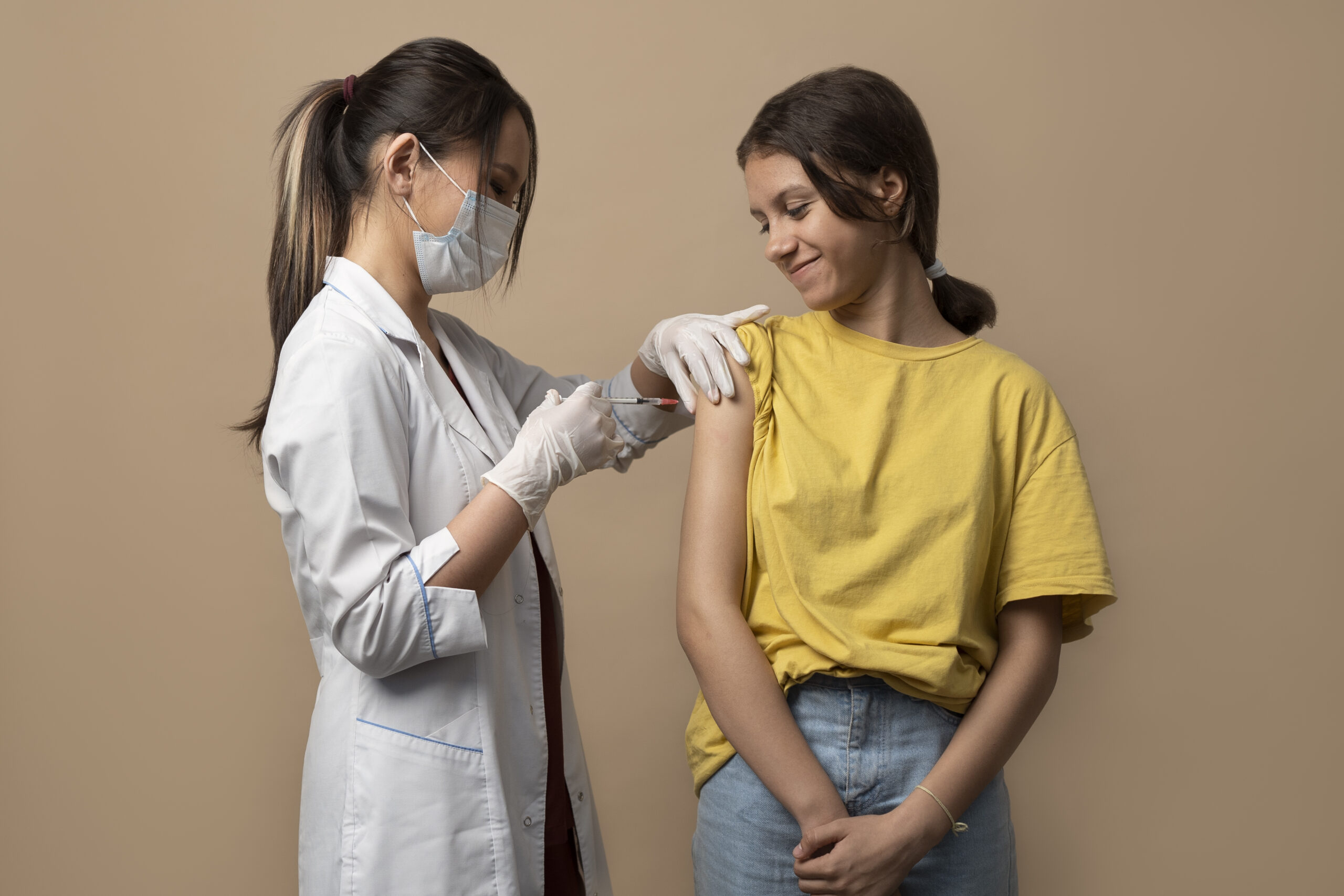
Cervical cancer is a serious disease that affects many women worldwide. However, there is good news. Vaccination for Cervical Cancer can help prevent most cases. This vaccine protects against the human papillomavirus (HPV), which causes most cervical cancers. Because early prevention is key, learning about the HPV vaccine for cervical cancer is important for everyone.
What is Cervical Cancer?
Cervical cancer starts in the cells of the cervix. The cervix is the lower part of the uterus, connecting it to the vagina. Most cases are caused by certain types of HPV. HPV is a common virus passed through skin-to-skin contact, often during sexual activity. While many HPV infections go away on their own, some can lead to cancer over time. According to the World Health Organization (WHO), cervical cancer is one of the most common cancers in women worldwide.
How Does the Cervical Cancer Vaccine Work?
The cervical cancer vaccine, also called the HPV vaccine, helps the body build protection against HPV. Because the vaccine uses harmless parts of the virus, it cannot cause infection. Instead, it trains the immune system to fight off HPV if exposed in the future. There are several types of HPV vaccines, but all protect against the main types that cause cervical cancer. The Centers for Disease Control and Prevention (CDC) recommends the vaccine for best results before exposure to HPV.
Who Should Get Vaccinated?
Experts recommend the HPV vaccine for:
Because the vaccine works best before any exposure to HPV, early vaccination is important. However, even those who are older may still benefit. Always talk to a healthcare provider about the best time for vaccination.
Benefits of Vaccination for Cervical Cancer
Getting the HPV vaccine offers many benefits. For example:
Because the vaccine is safe and effective, it is a key part of cervical cancer prevention.
Possible Side Effects and Safety
Like all vaccines, the HPV vaccine can cause mild side effects. Most people have no problems. However, some may notice:
Serious side effects are very rare. The CDC and WHO both confirm the cervical cancer vaccine safety through many studies. Because the benefits are much greater than the risks, experts recommend the vaccine for most people.
How to Access the Vaccine
Getting the HPV vaccine is easy in many places. For example, you can:
Some areas offer the vaccine for free or at a low cost. Because early vaccination is best, do not wait to ask about it.
Prevention Tips Beyond Vaccination
Although the vaccine is very effective, other steps help lower cervical cancer risk. For instance:
Because prevention works best with many steps, combine vaccination with healthy habits.
Conclusion
Vaccination for Cervical Cancer is a safe and effective way to prevent a serious disease. Because early action matters, talk to your healthcare provider about the HPV vaccine. Protect yourself and your loved ones. Consult Dr. Rashmi Pradhan to learn if the cervical cancer vaccine is right for you.